

Exploring Indigenous Grape Varieties You’ve Never Heard Of

When most people think about wine grapes, a few familiar names usually come to mind: Cabernet Sauvignon, Chardonnay, Pinot Noir, or Merlot. These grapes dominate wine lists and store shelves around the world, and for good reason, they make excellent wines. But beyond these household names lies a much larger and fascinating world of indigenous grape varieties that many wine lovers have never heard of.
Indigenous grapes are varieties that originate and have historically been grown in a specific region. Unlike international grapes that are planted across the globe, these grapes are deeply connected to their local terroir, traditions, and cuisine. They often tell the story of a place, its climate, soil, culture, and history. Exploring these grapes can open the door to entirely new flavors and wine experiences.
What Makes a Grape “Indigenous”?
An indigenous grape variety is one that naturally developed in a particular region and has been cultivated there for generations, sometimes centuries. These grapes evolved alongside local climate conditions, soils, and farming practices. Because of this, they tend to be particularly well suited to their native environment.
In many cases, indigenous grapes were overshadowed during the late 20th century when international varieties became fashionable. Wineries planted more Cabernet Sauvignon or Chardonnay because they were easier to market globally. However, in recent years there has been a growing movement among winemakers and wine enthusiasts to rediscover and preserve local grape varieties.
These grapes often produce wines that are distinctive, unique, and deeply expressive of place.
Assyrtiko – Greece’s Electric White Wine
One of the most exciting indigenous grapes gaining international attention is Assyrtiko, a white grape from the Greek island of Santorini.
Assyrtiko is known for its vibrant acidity and mineral-driven character. Even when grown in the intense Mediterranean sun, it retains incredible freshness. The volcanic soils of Santorini give the wine a crisp, almost salty edge that makes it incredibly food-friendly.
Flavor notes often include citrus, green apple, flint, and subtle herbal tones. Assyrtiko pairs beautifully with seafood, grilled vegetables, and Mediterranean cuisine.
While Assyrtiko is becoming more recognized, it’s still a hidden gem for many wine drinkers.
Mencía – Spain’s Elegant Red
If you love Pinot Noir but want to try something different, Mencía is worth exploring. Native to Spain’s northwestern regions such as Bierzo and Ribeira Sacra, this grape produces wines that balance bright fruit with earthy complexity.
Mencía wines often show flavors of red cherry, raspberry, violet, and subtle minerality. They tend to have moderate tannins and refreshing acidity, making them versatile with food.
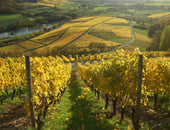
Many of the vineyards where Mencía grows are steep, terraced hillsides overlooking rivers. These dramatic landscapes contribute to wines that feel lively and expressive.
For wine drinkers seeking something new yet approachable, Mencía is a fantastic discovery.
Nerello Mascalese – Sicily’s Volcanic Treasure
High on the slopes of Mount Etna in Sicily grows one of Italy’s most intriguing indigenous grapes: Nerello Mascalese.
Often compared to Pinot Noir or Nebbiolo in structure, Nerello Mascalese produces elegant red wines with remarkable complexity. The volcanic soils of Etna contribute to wines that are aromatic, lifted, and layered.
Typical flavor notes include wild strawberries, dried herbs, rose petals, and smoky minerality. The wines often have fine tannins and bright acidity, allowing them to age beautifully.
Mount Etna has become one of the most exciting wine regions in Italy, and Nerello Mascalese is at the heart of its renaissance.
Trousseau – Jura’s Hidden Red
The Jura region of eastern France is famous among wine enthusiasts for its unique grape varieties, and Trousseau is one of its most intriguing.
Trousseau produces light to medium-bodied red wines that combine juicy fruit with earthy spice. The wines often show flavors of red berries, black pepper, and subtle forest floor notes.
Because Jura wines tend to be made in small quantities, Trousseau remains relatively under the radar. However, adventurous wine drinkers often fall in love with its delicate balance of fruit and savory character.
Interestingly, Trousseau is also grown in Portugal under the name Bastardo, showing just how far some indigenous grapes have traveled over time.
Xinomavro – Greece’s Structured Red
Another remarkable Greek grape worth discovering is Xinomavro, primarily grown in the northern region of Naoussa.
Xinomavro is known for its firm tannins and high acidity, often drawing comparisons to Italy’s Nebbiolo. These wines can be powerful and age-worthy, developing complex aromas over time.
Young Xinomavro wines may show flavors of cherry, tomato leaf, olive, and spice. With age, they evolve into deeper notes of dried fruit, leather, and earth.
While Xinomavro can be bold, it also pairs wonderfully with food, particularly grilled meats, lamb dishes, and Mediterranean flavors.
País – A Rediscovered Chilean Classic
For many years, the País grape was overlooked in Chile, often used for simple bulk wines. However, modern winemakers have rediscovered the potential of this historic variety.
País was one of the first grapes planted in South America by Spanish missionaries in the 16th century. Today, a new generation of producers is crafting fresh, vibrant wines from old País vines.
These wines tend to be light-bodied, with flavors of red berries, herbs, and subtle spice. They are often made with minimal intervention, highlighting the grape’s natural charm.
País is a perfect example of how indigenous grapes can experience a revival when winemakers embrace their heritage.
Why Indigenous Grapes Matter
Exploring indigenous grape varieties is about more than just trying new wines it’s about preserving cultural and agricultural heritage.
These grapes represent centuries of local farming knowledge and tradition. Many of them are uniquely adapted to their environments, making them more resilient to climate conditions and potentially more sustainable in the long run.
By supporting wines made from indigenous grapes, wine lovers help encourage diversity in vineyards and protect grape varieties that might otherwise disappear.
In a world where many wines can start to taste similar, indigenous grapes bring individuality and authenticity back into the conversation.
Contributed by Ray Ibanez, E-Commerce Manager for Plume Ridge Bottle Shop.
Related Posts
-

Creative Ways to Reuse Wooden Wine Boxes
1. Wine Storage & Cellar Organization Wooden wine boxes are perfect for organizing bottles in a cellar or storag...
-

Wine and Taco Pairings
When it comes to taco pairings, most people immediately reach for a cold beer or a shot of tequila. And hey, we get ...
-
The Role of Terroir and Why Location Matters in Wine
When it comes to wine, we often focus on grape varieties, winemaking techniques, or the aging processes. But there’s...

